Editorial
The coming year rewards travellers who blend iconic landscapes with quieter rhythms — fewer box-ticked monuments, more room for light, season, and the people who shape a place.
In 2026, “best” is less about rankings than about fit: matching your pace to a destination’s natural tempo. Coastal Japan outside blossom peak, the high Andes when skies run clear, or the Mediterranean when villages still belong to locals — these windows reward curiosity without the crush of peak-season crowds.
We see renewed interest in secondary corridors: train routes that stitch regions together, archipelagos explored by sail, and desert crossings where silence becomes the luxury amenity. Sustainability is no longer a sidebar — it is woven into how camps operate, how cities manage visitor flow, and how communities invite guests into craft, cuisine, and conservation.
Three currents shaping the year
- Depth over distance. Travellers stay longer in fewer bases, trading frantic hops for neighbourhood fluency.
- Climate awareness. Shoulder seasons and “cool hours” itineraries make heat and rainfall part of the design, not an afterthought.
- Human connection. Hosts, guides, and artisans are the new anchors — authenticity measured in relationships, not photo counts.
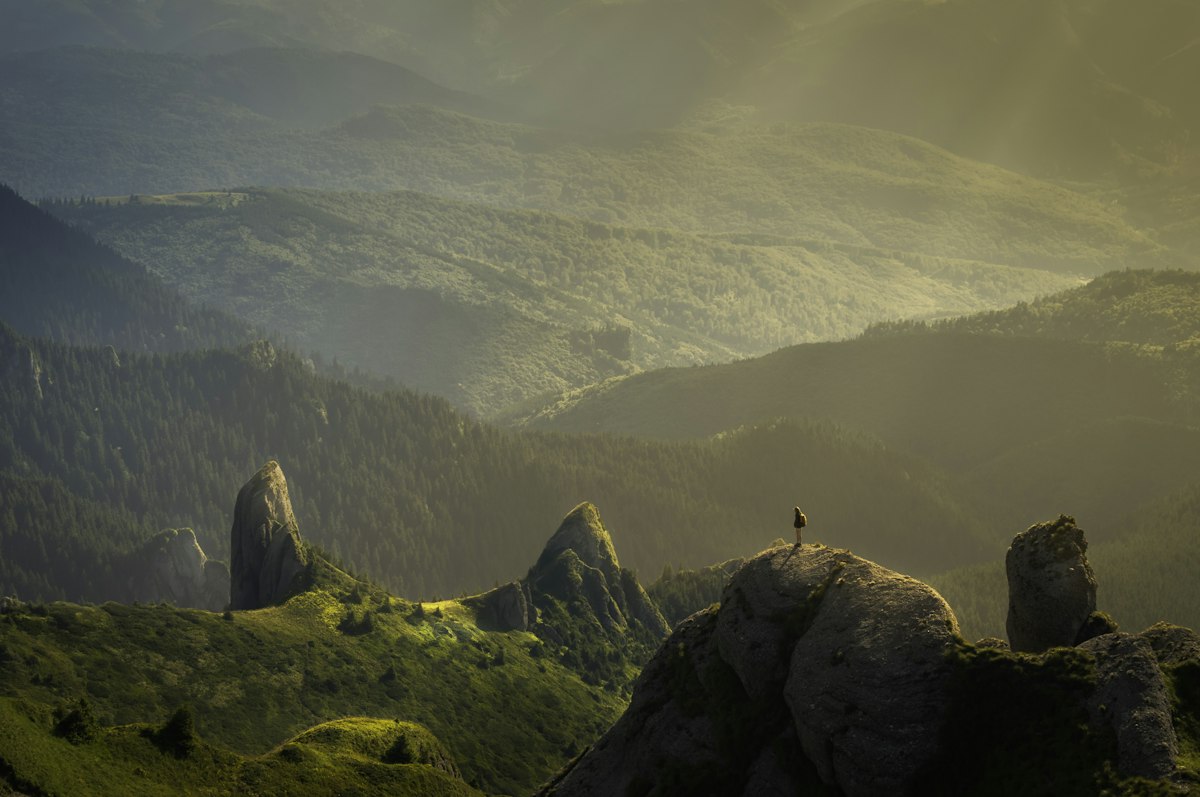
Whether you are drawn to ice, jungle, or neon-lit avenues, the through-line is intention: choose places that resonate with your story, then give them time to unfold. The list below is a compass, not a cage — let it spark questions for your own map.
“The best journey is the one where the world feels wide again — and you feel small in the right way.” Bytrip Travel Journal
From Patagonian winds to lantern-lit alleys in old port towns, 2026 invites a slower, sharper way of seeing. Carry curiosity, pack light, and leave room for the unplanned afternoon that becomes the chapter you retell for years.