Africa · Kenya · Private Safari
Trip Overview
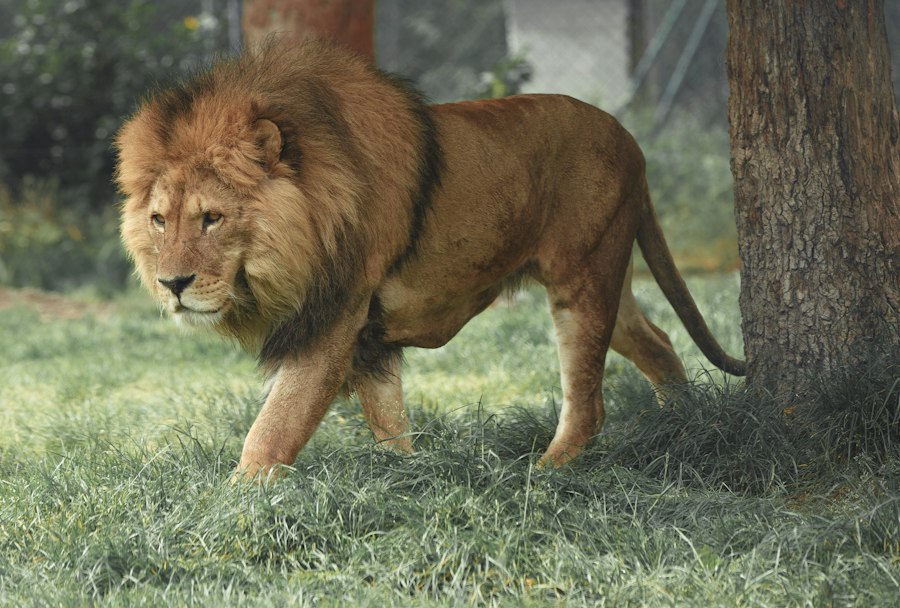
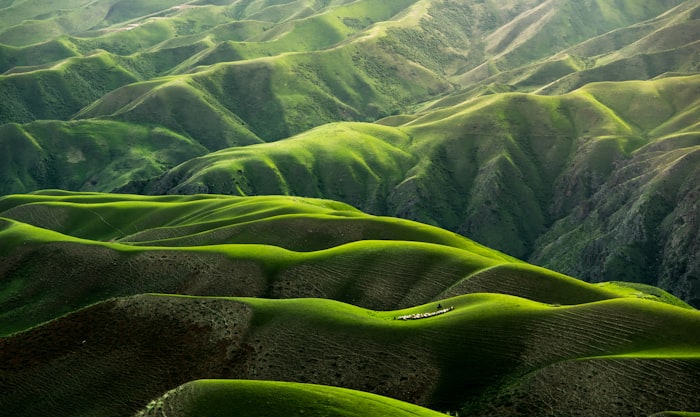
This journey stitches together Kenya's two most cinematic landscapes — the rolling golden grasslands of the Masai Mara and the elephant-dotted plains beneath Mount Kilimanjaro in Amboseli.
Mornings begin before dawn: coffee on your veranda, the distant cough of a leopard, then a private 4×4 threading through mist and acacia toward the day's first sighting. Evenings settle into firelight, Swahili-inspired cuisine, and silence so deep you can hear the savanna breathe.
A hot-air balloon floats you over herds that stretch to the horizon; later, you trace elephant families across Amboseli's seasonal swamps with Kilimanjaro's snows as a constant, impossible backdrop. Every drive, walk, and pause is paced for observation — never for a checklist.
Bytrip designed this route for travellers who want the intimacy of a private vehicle and camp, the judgment of guides who grew up reading these landscapes, and the quiet luxury of time — the rarest commodity on any safari.
Visual Journey
Why This Trip
Six ideas that define how Bytrip shapes this private safari — from light to landscape to the human stories woven through every mile.
Game drives align with animal movement, not meal schedules. You'll be on the plains when light is long and low — when predators hunt and herds gather at water — rather than mid-day when heat empties the landscape.
Your 4×4 is yours alone: pause for a cheetah kill, linger at a kill site, or loop back for better light. Guides are salaried — never commission-driven — so the day follows curiosity, not convention.
Silence at 300 metres — only the burner and the wind. Below, wildebeest streams braid across the grass. You descend to a bush breakfast where champagne catches the same light that woke the herds.
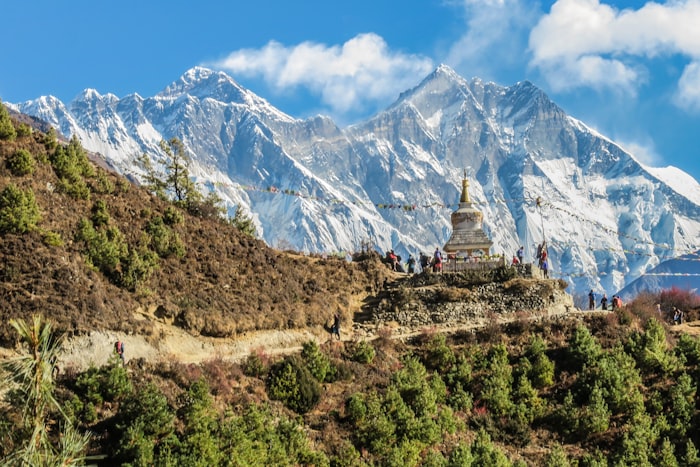
Amboseli is the only place where Africa's highest peak frames every elephant silhouette. We build in unhurried afternoons — tea on the terrace, optional short walks — so the mountain becomes a character, not a backdrop.
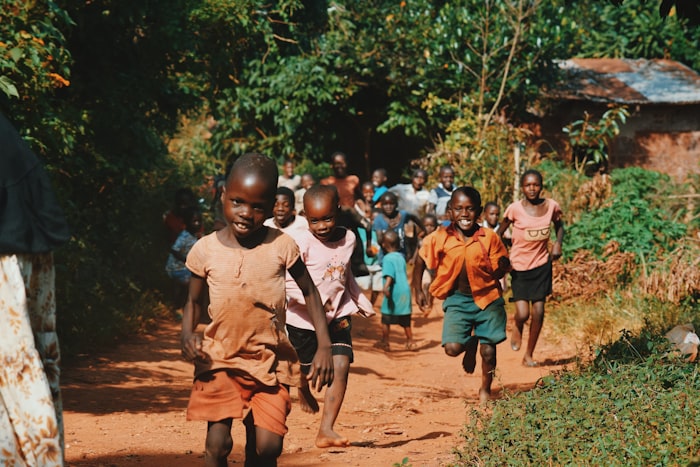
A visit to a Maasai-led conservancy explains how tourism fees fund wildlife corridors and school fees. Your stay is not extracted from the landscape — it is negotiated with the people who have stewarded it for generations.
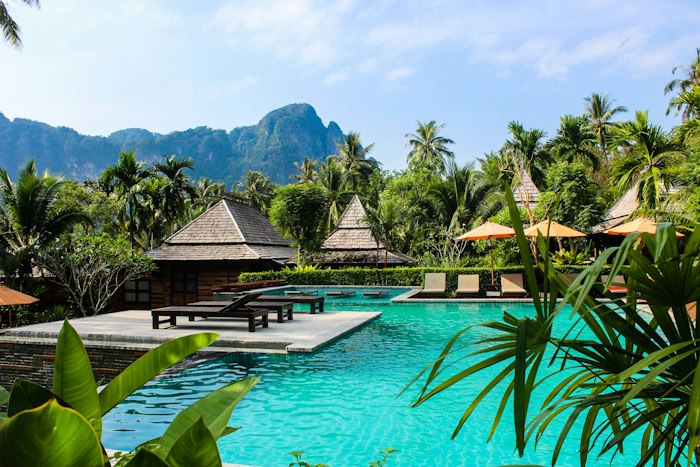
Tented camps are spaced for privacy; beds face the bush; stars crowd the equatorial sky. Hyena whoops and lion roars are not noise — they are the soundtrack to a room without walls.
Day by Day
Below is the published arc of the journey. Private departures may swap a bush flight for a scenic drive, or extend a night in the Mara during migration peaks — the narrative stays the same: space, light, and wildlife on their terms.
Met airside and transferred to a garden hotel on the edge of the city. Evening briefing beside the fire — introductions, safety, and the week ahead sketched on a map of the Rift.
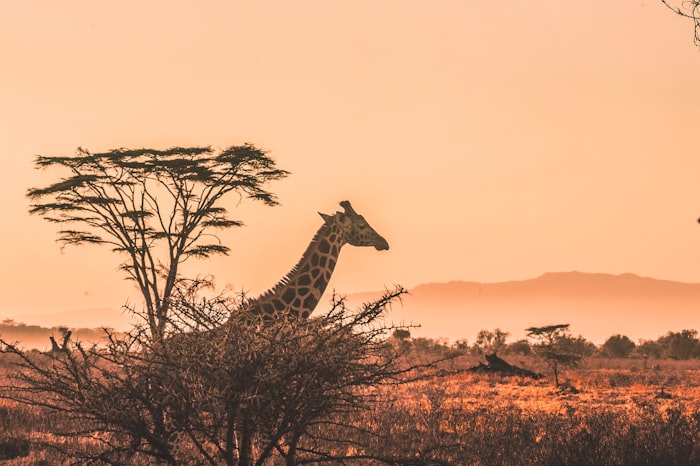
Gentle acclimatisation: Rothschild giraffes at eye level, Blixen's farm, and lunch in the Ngong Hills breeze before an early night ahead of the Mara.
Short flight or scenic drive into the conservancy. First game drive: cheetah on termite mounds, elephants at dusk, and sundowners where the sky turns copper over endless grass.
Dawn and dusk drives, optional bush walk with armed ranger, and one morning reserved for the balloon (weather permitting). Between drives: pool, spa, or simply watching zebras drift past the mess tent.
Mid-morning visit led by community members — beadwork, cattle, and the agreements that keep wildlife on communal land. Afternoon drive focused on big cats and riverine forest.
Flight or drive toward Kilimanjaro's massif. First sight of the mountain from the airstrip — often half in cloud, half in sun. Evening drive among supersized tuskers on the swamp edge.
Elephants framed against Kili, flamingos on seasonal lakes, and optional visit to a research outpost tracking individual families. Photography hides available for those who prefer a fixed lens on the drama.
Last bush breakfast, then transfer to Nairobi. Afternoon at leisure — spa, gallery, or packing — before a farewell dinner of coastal Swahili flavours.
Breakfast and transfer to NBO for international flights. East Africa stays under your skin long after the aircraft banks west.
Seasonal Note
July through October layers the Great Migration across the Mara River — dramatic crossings, heavy predator activity, and dry, golden grass that makes every silhouette sharp. January–March offers calving in the southern Mara sector with fewer vehicles and lush, green backdrops. April–June brings long rains: the bush is beautiful but some tracks may soften; rates reflect the season. This itinerary is paced so a Bytrip specialist can align your dates with migration intelligence and conservancy availability.
What Is Included
Transparent lists — so the only surprises on safari are wildlife, weather, and the occasional rainbow over the escarpment.
Before You Go
Traveller Voices
Excerpts from post-trip journals — edited for length, never for sentiment.
Our guide stopped for a tortoise crossing the track — that patience set the tone. The balloon morning was ethereal; Amboseli left me speechless every time Kili appeared. I did not know luxury could feel this honest.
Green season meant baby wildebeest wobbling on new legs and skies that cleared just for sunset. The community visit was not performance — it was conversation. We left lighter and heavier at once.