Safari
A walking safari slows the heartbeat of the bush. Without engine noise, scent and sound return — the dry crackle of grass, the distant alarm call of a francolin, the weight of sun on your shoulders.
From Zambia’s South Luangwa — often credited as the birthplace of the modern walking safari — to private concessions in Botswana and Zimbabwe, Africa offers corridors where expert guides lead small groups through elephant paths and riverine forest. The rhythm is deliberate: pause, interpret, move again.
Unlike game drives, walking safaris are not about ticking species from a checklist. They are about ecology in human scale: tracks in the sand, the architecture of a termite mound, the way light falls across a fever tree. You are a guest in a landscape that does not hurry.
What sets the finest walks apart
- Armed, highly trained guides with deep local knowledge and radio protocols.
- Small groups — rarely more than six — so the trail stays quiet and respectful.
- Camps that anchor multi-day routes, with hot meals and stories under the stars.
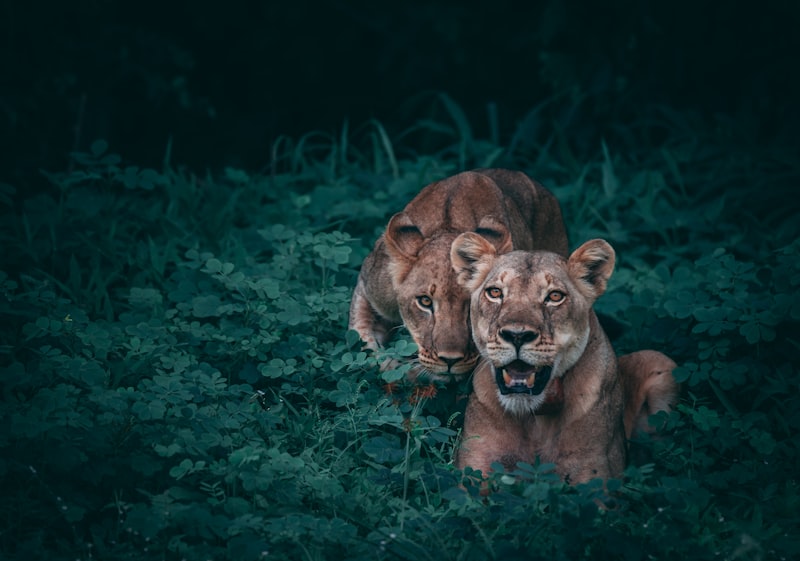

“You do not conquer a walking safari — you attend it. The land sets the tempo.” Bytrip Safari Notes
For travellers who already love traditional drives, adding two or three mornings on foot can transform an itinerary. The same reserve feels new when experienced at walking speed — intimate, alert, and unforgettable.