Essay
Slow travel is not laziness — it is a decision to measure a journey in attention rather than mileage. It asks: what changes when you stay long enough for a barista to remember your order?
The idea echoes older ways of crossing continents: trains that allowed landscapes to unspool, coastal steamers, pilgrimage routes walked over weeks. Today, “slow” often means fewer transitions: one region instead of four countries in ten days; mornings without alarms unless the market opens early.
Environmental benefits follow naturally — fewer flights, more ground connection — but the emotional payoff is different: friendships with hosts, fluency in local coffee rituals, the relief of not perpetually packing.
Principles travellers return to
- Anchor in a neighbourhood, not only a hotel brand.
- Walk or cycle short distances — the city reveals itself at three miles per hour.
- Leave unscheduled blocks; the best afternoons are often the empty ones.
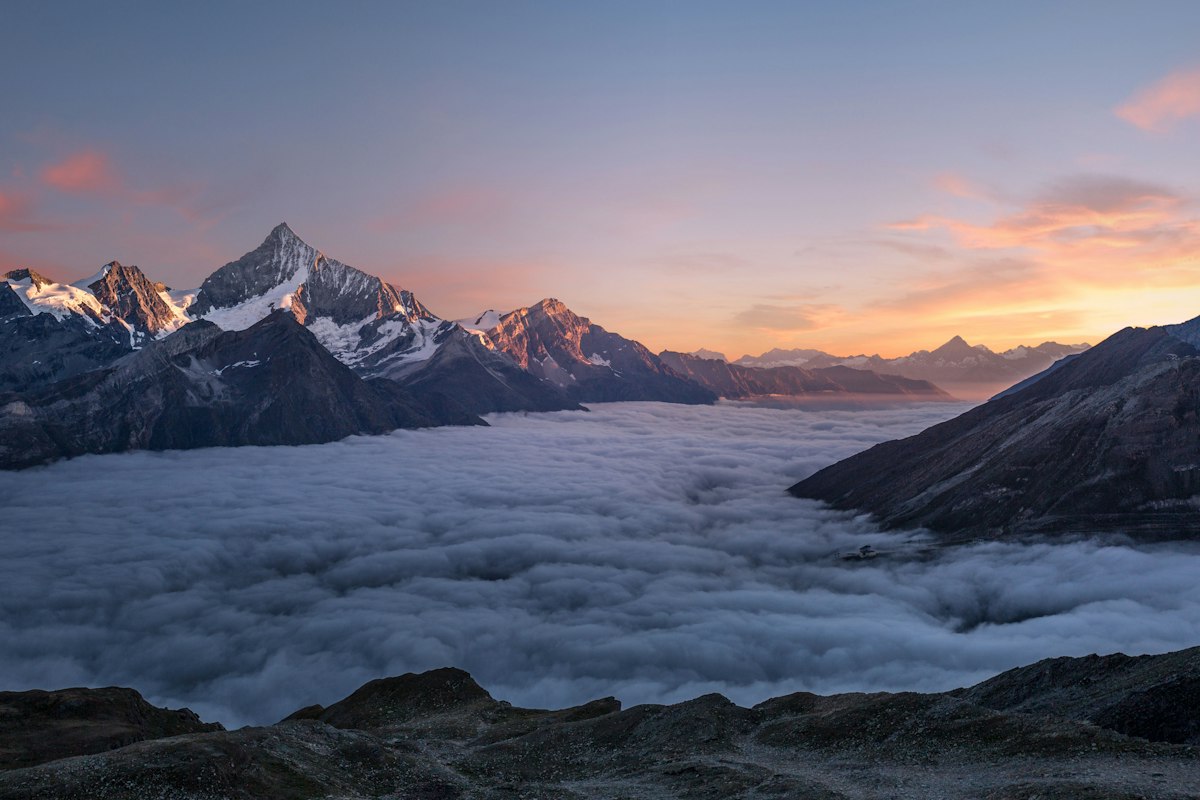
“Slowness is the luxury of noticing — the sound of a place before the slogan of a place.” Bytrip Essays
Slow travel pairs well with celebration and recovery alike: honeymoons that breathe, sabbaticals that restore, or simply a week when the inbox waits. The world will still spin; you choose how many revolutions to feel.